Yoga Practice
Martina is a passionate yoga teacher with over 7 years of professional experience in designing and leading Hatha flow, Yin and Restorative yoga classes (groups/privates).
She teaches Yoga focusing on alignment and breathing, working on the body and mind connection. She offers Yin yoga sessions with a strong reference to TCM (Traditional Chinese Medicine) and Meridians, and Restorative Yoga with an attention on relieving stress and restoring balance on the physical, emotional and mental body.
- 60-90 min sessions
- Online and in person sessions
- Private – Group – Corporate yoga
Hatha means ‘force’ and is more traditionally defined as ‘the yoga of force’, or ‘the means of attaining a state of yoga through force’. So Hatha yoga can be considered as anything you might do with the body, including:
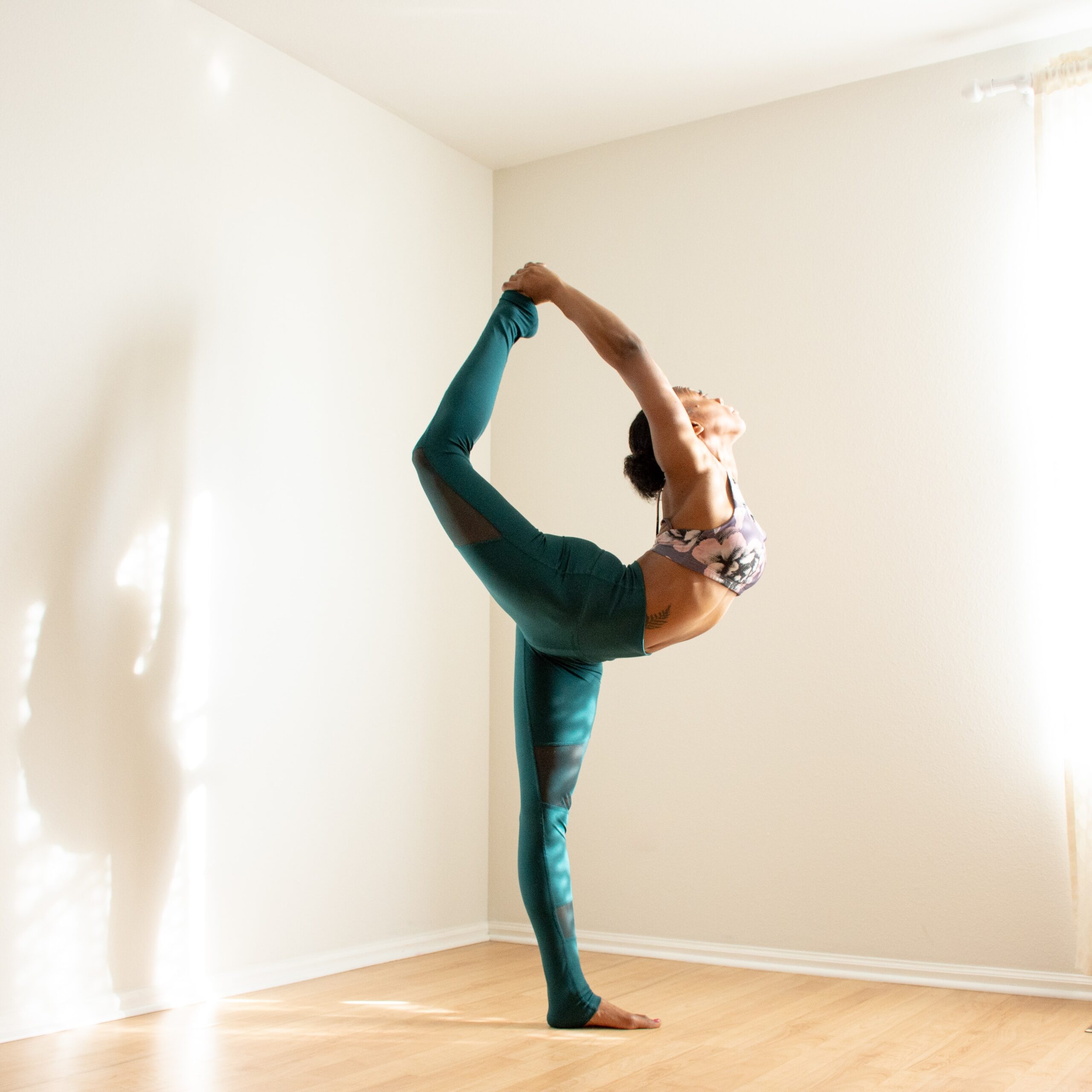
asana – yoga postures
pranayama – breathing techniques
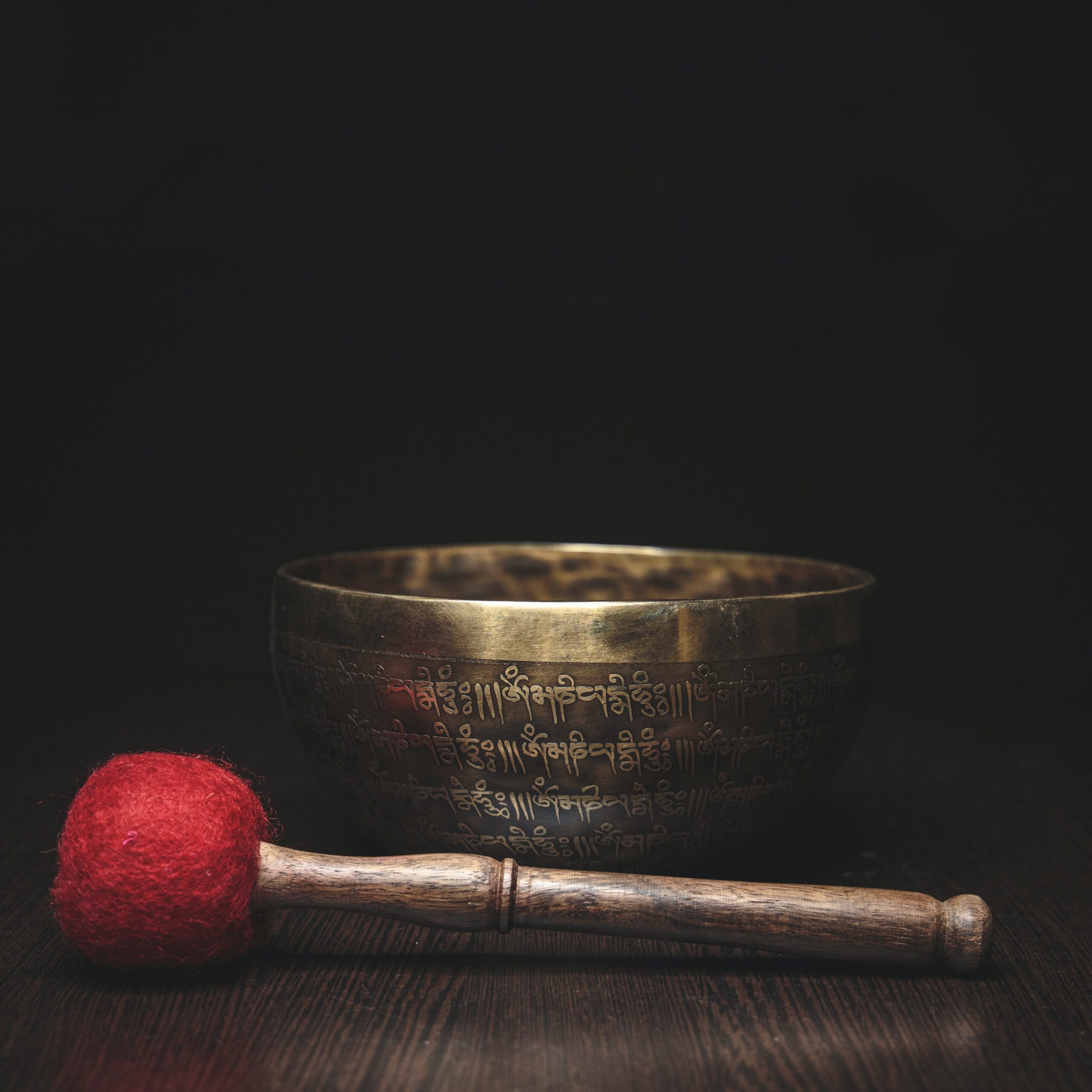
mantra – chanting or reciting
mudra – hand gestures
types of visualisation
yoga philosophy
To lead you towards the experience of Yoga – of union and boundlessness – we manipulate the energy and move the system in a certain way. Physical postures are one aspect of this. Understanding the mechanics of the body, creating a certain atmosphere, and then using the body or body postures to drive your energy in specific directions is what Hatha Yoga is about. Hatha Yoga is not exercise. Asana means a posture.
The word “ha” means sun, “ta” means moon. “Hatha” also means the Yoga to bring balance between the sun and the moon in you, or the Pingala and Ida in you. You can explore Hatha Yoga in ways that take you beyond certain limitations, but fundamentally, it is a physical preparation – preparing the body for a higher possibility.
For every different level of consciousness or mental and emotional situation that you go through, your body naturally tends to take certain postures. The converse of this is the science of asanas. If you consciously get your body into different postures, you can also elevate your consciousness.
Restorative Yoga is a restful practice that is all about slowing down and opening your body through passive stretching, doing just a few postures over the course of an hour.
It is suitable for practitioners of all levels. By definition, restorative yoga is a restful practice that holds yoga poses (asanas) for a longer duration using props like yoga blocks, blankets, and bolsters. It is a practice of deep relaxation that emphasizes the meditative aspect of yoga—the union of body and mind. Through the use of props for support, many of the postures are held almost effortlessly.
When the body enters a state of relaxation the mind can also consciously relax as tension is released from both body and mind. The only work that’s required on your part during a restorative yoga practice is to pay attention to your breath and become aware of any sensations or thoughts that may arise.
It relaxes the muscles by using props to support the body. In some restorative postures, you will also receive a gentle stretch. Restorative yoga poses are held anywhere from 5–20 minutes.
Restorative classes are typically mellow and low-energy, making them a great complement to more active practices (as well as our busy lives) and an excellent antidote to stress. Stillness is a powerful practice.
Yin Yoga is slow-paced style of yoga incorporating principles of traditional Chinese medicine, with asanas (postures) that are held for longer periods of time (three to five minutes or more) than in other styles.
Yin Yoga targets your deep connective tissues, like your fascia, ligaments, joints, and bones. It’s slower and more meditative, giving you space to turn inward and tune into both your mind and the physical sensations of your body.
It offers a wealth of benefits that may help you to alleviate pain and tension, relieve stress and anxiety, and improve your overall well-being. The practice of holding a pose for an extended period teaches you to sit with and observe uncomfortable emotions, thoughts, or physical sensations as they arise.
The practice of yin yoga is based on ancient Chinese philosophies and Taoist principles which believe there are pathways of Qi (energy) that run through our bodies. By stretching and deepening into poses, we’re opening up any blockages and releasing that energy to flow freely.
Mani benefits:
1. Lengthens connective tissue
2. Increases flexibility
3. Boosts circulation
4. Reduce stress level